Natural Polymers

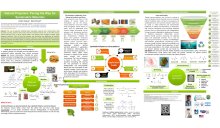
Natural Polymers: Opportunities and Challenges in the Application and Commercialization as Sustainable Materials Amid Growing Environmental Awareness

Polymeric materials are essential for the performance of plastics and functional ingredients in consumer and industrial products. However, there is a recognized need to shift toward more sustainable production and consumption of materials to address societal concerns on climate change and pollution while improving economic and environmental resilience. Natural polymers can provide sustainability benefits due to their inherent renewability and degradability.


Bio-Based Plastics and Chemicals Made from Renewable Feedstocks

Avantium is at the forefront of developing technologies to transition away from fossil fuels by transforming renewable resources into valuable chemicals and circular plastics for consumer products. The company provides innovative solutions for polymers, chemicals, and CO2 conversion, contributing to a more sustainable materials economy.  

Key technologies developed by Avantium: 

Traceless®: Bio-Based Plastics Made from Agricultural Residues

Traceless® materials are fully plant-based, biodegradable alternatives to conventional plastics, derived from agricultural residues. These innovative materials are produced as pellets, which can be processed into a wide range of products such as paper coatings, rigid and flexible materials, or adhesives. Designed for applications in single-use items, packaging, and adhesives, traceless® enables manufacturers to avoid traditional plastics, offering a truly regenerative and nature-based option.

Nanocellulose-Based Materials for Personal Care and Consumer Goods

The company focused on developing and commercializing versatile bio-base, micro-, and nanocellulose materials. FineCell’s patented technology offers sustainable material solutions with unique performance benefits, such as replacing fossil fuels and harmful chemicals in personal care products and consumer goods. FineCell’s cellulose materials are produced through a green and resource-efficient process. The technology is based on a chemical reaction under mild conditions, which enables substantially reduced energy and water consumption and significantly increases production yield.

Natural Polymers: Paving the Way for Sustainable Materials

The use of polymeric materials from renewable resources has a long history, with naturally occurring polymers being among the first materials used by men. In the 19th century, natural materials, such as casein, natural rubber, and cellulose, were modified to obtain useful polymeric materials. Over the past few decades, the production and application of synthetic polymers have seen an almost exponential increase.

Natural Polymers

Natural polymers are macromolecules found in nature, composed of long chains of repeated subunits. They are synthesized by living organisms and include materials such as cellulose, proteins, and DNA. This poster provides an introduction to natural polymers.