sustainable chemistry

A-Leen® 5 -- From Biomass to Cosmetics

Minasolve, a subsidiary of the Minafin Group, specializes in developing and producing innovative, sustainable, and high-performance ingredients for the cosmetics and personal care industries. A key area of expertise for Minasolve is its "MinaSolve Protect" product line, which offers alternatives to conventional preservatives and includes a variety of cutting-edge ingredients designed to meet the demands of the cosmetic market. Among these is A-Leen® 5, a multifunctional ingredient that is ECOCERT and COSMOS approved.


2025 ACS GCI Green & Sustainable Chemistry Summer School

The ACS Green and Sustainable Chemistry Summer School (GSCSS) is a highly selective week-long program for graduate students and postdoctoral chemists and engineers. Each year, approximately 60 exceptional students from North, Central, and South America and the Caribbean are selected from a large pool of applicants and gather for this fully funded once-in-a-lifetime opportunity. The American Chemical Society pays for all eligible travel and program costs.

Principal Investigator Development in Sustainability Grant

This award will provide funding to early or mid-career investigators (Associate+) to spend 6-12 months in the laboratory of a private company, a national laboratory, or an academic laboratory in a different institution, with the goal of establishing robust collaborations across industry-academia or across disciplines and taking advantage of the mentorship of a faculty member distinct from their prior mentors.

Pharos

Tool Owner

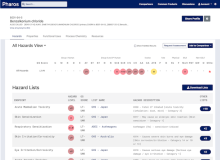
Pharos provides resources to assess human and environmental health hazards of chemicals and building materials, and tools to collaborate to find safer alternatives. Products listed in the Pharos database are evaluated based on a range of criteria, including their potential impacts on human health (e.g., toxicity, emissions), environmental impact (e.g., resource depletion, energy use), and overall sustainability performance. The Pharos Project promotes transparency by providing clear and accessible information about the materials listed in its database.

Bio-Based Acrylonite (bio-ACN™) from Glycerol

Trillium has developed a technology that produces bio-ACN™ from glycerol. Glycerol is a renewable feedstock that is a byproduct of converting natural oils and fats into soaps, detergents, and biofuels. Bio-ACN™ has a 70% lower carbon footprint than petroleum-based acrylonitrile. This process is scalable and cost-competitive due to the use of an efficient catalytic process that dehydrates glycerin to acrolein. Acrylonitrile is then produced by reacting acrolein with oxygen and ammonia.

Cell Factory Engineering Platform

Replicates the natural processes of plants in smart cell factories to create a variety of products more sustainably and efficiently. Manus Bio developed an advanced technology designed to recreate plant processes in microorganisms to produce natural ingredients through fermentation. The AI-augmented computational protein design platform, MLEAP®, enables users to discover, develop, and optimize enzymes for different applications.